

Looking to begin an ant colony? This species is perfect for this time of year!
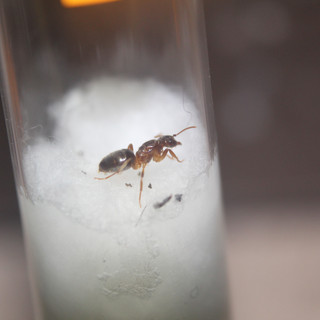
If you want to start an ant colony and watch the full life cycle from the very beginning, now is the ideal time. Our current Lasius neoniger queens have just finished diapause, the resting period where they pause development during cold months! This means they are ready to found new colonies, and Lasius neoniger is a fantastic species to work with. Native across the entire United States, these ants are accessible to most keepers and offer a rewarding experience for beginners and enthusiasts alike. Now is a good time to get queens that are ready to begin their colony!

Keeping Your Queen in the Tube
When starting your Lasius neoniger colony, it is crucial to keep the queen in the test tube setup. This setup mimics the natural underground environment where queens begin their colonies. This moisture is essential for the queen and her developing brood. Removing her could result in death!
The tube provides a secure, dark, and humid space that encourages egg-laying and is ideal for the early development of the colony. Avoid disturbing the queen in this stage, as she can be stressed easily!
Temperature and Humidity Requirements
Lasius neoniger queens thrive in temperatures in the upper 70s to around 81°F (about 25-28°C). Maintaining this temperature range promotes steady colony growth. You can use a heating pad or a temperature-controlled environment (like an incubator) to keep conditions stable.
Humidity is just as important. The cotton/sponge plug blocking the water inside the tube provides a humidity source, resulting in a gradient. This gradient allows the queen and her workers to choose their preferred moisture level. Lasius neoniger tend to stay very close to the water source. As the colony grows, adding small amounts of substrate for cocoon-spinning helps the colony grow well!
Feeding Your Colony
During the founding phase, do not feed the queen. Queens rely on their stored energy reserves and the nutrients from their own wing muscles after the nuptial flight. Feeding her at this stage can cause stress and disrupt her natural cycle.
Once the first workers emerge, you can begin feeding the colony regularly. Lasius neoniger workers prefer fruit flies as their favorite protein source. These small insects provide essential nutrients for growing larvae! Our recommendation for this species is an alternating feeding cycle, switching between fruit flies (which the workers can easily carry) and Dubia Roaches (which are not as easy to carry, but have valuable nutrients that fruit flies are deficient in). The workers tend to take pieces of protein/fat from the roaches and carry them to the nest.
For sugars, provide a steady supply of sweet liquids. Options like Sunburst Ant Nectar or liquid sugars work well. These sugars fuel the workers’ energy needs and allow the colony to continue. Remember to keep the feeding area clean to prevent mold and mites!
Colony Growth and Development
Lasius neoniger colonies grow slower than some other ant species, but they can still reach impressive sizes. With proper heat and abundant food, colonies have been known to grow to 500-1000 workers within the first year in extreme cases. Colonies can likely reach more than 10,000 workers.
Patience is key. The queen will lay eggs steadily, and the workers will care for the brood, forage, and expand the nest. Providing a humidity and heat gradient encourages natural behavior and supports healthy growth. If you feed the ants more and more food, this signals to the queen she can lay more eggs. Overfeeding is always better than underfeeding!

Substrate and Nesting Preferences
Lasius neoniger ants enjoy having some substrate in their nest, mostly for their cocoons. Adding a small amount of soil or sand inside the tube or formicarium gives them a place to pupate effectively. This substrate also allows them to engineer humidity and airflow, to closer mimic their natural environment.
Make sure the substrate is clean and free from pesticides or chemicals. A natural, slightly moist, sand or sand-adjacent substrate works best. This sort of addition to the setup helps the larvae pupate, which is very important as they need some structure, but make sure not to go overboard, or you won't be able to see your ants anymore!
Why Lasius neoniger is a Great Choice
Native to all of the United States, making them easy to find and keep.
Queens are active and ready to start colonies right after diapause (now!)
They have a manageable growth rate, perfect for beginners.
Their care requirements are straightforward with simple feeding and temperature needs.
Watching their full life cycle from founding to a large colony is rewarding!
They adapt well to tube setups and small formicaria.
They're cold-hardy ants, so they're alright with shipping during cold weather!
Starting a Lasius neoniger colony now lets you experience the entire process from the queen’s first eggs to a bustling colony of workers. With proper care, patience, and attention to their environment, you can enjoy a thriving ant colony that grows steadily over the years!


Comments