

Top 10 Native Ant Species for Beginners
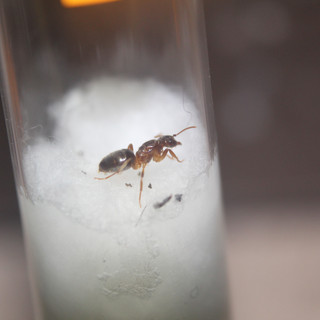
So you've decided to get into ant keeping — welcome to one of the most rewarding hobbies out there! But with hundreds of ant species found across the United States, figuring out where to start can be overwhelming. To make it easier, we've ranked the top 10 widely available native species that are well-suited for beginners, from the most forgiving to a little more hands-on.
1. Tetramorium immigrans – Pavement Ant
If there's one species built for the beginner ant keeper, it's Tetramorium immigrans. These small but mighty ants are incredibly hardy, tolerating a wide range of temperatures and humidity levels with ease. They'll eat just about anything you put in front of them, making feeding stress-free for new keepers. Colonies grow at a solid pace, and — perhaps best of all — they don't require a winter diapause period, meaning you can enjoy an active colony year-round without the stress of hibernation management. Find a queen wandering the pavement in summer or available online, and you're set.

2. Pheidole bicarinata – Bicarinate Big-Headed Ant
Pheidole bicarinata earns the number two spot thanks to a combination of blazing colony growth, no diapause requirement, and one of the coolest features in the hobby: major workers. These large-headed soldiers are a favorite among ant keepers, and watching them interact with minors and process seeds inside the colony is endlessly entertaining. Despite their tiny size, colonies explode in population quickly, and their seed-harvesting behavior adds an extra layer of fun to feeding time. A great species for anyone who wants fast results and a dynamic colony right out of the gate.

3. Pogonomyrmex occidentalis – Western Harvester Ant
Pogonomyrmex occidentalis is one of the most self-sufficient ant species you can keep. These tough harvesters need little more than heat, seeds, and a reliable water source to thrive — and because they store food inside the nest, you can go longer between feedings than with most other species. No diapause is required, and their medium size makes them satisfying to observe without needing a massive enclosure. They're not the flashiest ants on this list, but for a beginner who wants a low-maintenance colony that practically takes care of itself, western harvesters are hard to beat.

4. Novomessor albisetosus – Desert Harvester Ant
Novomessor albisetosus is a large, impressive, spiderlike ant that combines the seed-harvesting self-sufficiency of Pogonomyrmex with a carnivorous side that keeps feeding exciting. Colonies grow fast, diapause is not required, and their size makes them a visually striking species to keep. Their willingness to take both seeds and protein gives you a lot of flexibility in how you care for them, and the combination of rapid growth and easy feeding makes them one of the best all-around beginner species on this list — especially for keepers in the Southwest where they're native.

5. Novomessor cockerelli – Cockerell's Harvester Ant
Extremely similar to albisetosus in appearance and care, Novomessor cockerelli is almost as beginner-friendly — but with one notable difference. This species is less inclined to harvest seeds, which means they rely more heavily on protein-based feeding and can't store food reserves the way their close relative can. This makes extended periods between feedings riskier, so they need a bit more attentive care. Still a fantastic species overall, and a great choice if you're already comfortable with albisetosus or want a large, fast-growing colony without the diapause requirement.

6. Camponotus castaneus – Chestnut Carpenter Ant
For the patient beginner who wants something truly beautiful, Camponotus castaneus is in a class of its own. Their rich chestnut and amber coloring makes them one of the most visually stunning ants in the United States, and their calm, deliberate temperament makes colony maintenance a relaxing experience. Growth is slow — this is a species you watch develop over years, not months — and occasional diapause may be needed depending on the collection region. But for a keeper who wants a colony that fits comfortably on a desktop for a long time and rewards patience with elegance, castaneus is a perfect fit.

7. Lasius neoniger – Labor Day Ant
Lasius neoniger is a species that earns its place through personality and persistence. Growth is on the slower side, and they do require a winter diapause, but what you get in return is a colony that becomes more entertaining with every passing month. Workers go absolutely wild for sugars, turning feeding sessions into a spectacle. As the colony matures, the fun compounds — larger worker numbers mean more chaotic, exciting activity throughout the outworld and nest. And in mature colonies, you may be treated to one of the hobby's most fascinating sights: a physogastric queen, her gaster swollen with eggs, dramatically accelerating colony growth. Large colonies are considered impressive by even the most veteran of antkeepers. Worth every bit of the wait.

8. Crematogaster spp. – Acrobat Ants
Most US Crematogaster species are fast growers with big personalities, and their instantly recognizable heart-shaped gasters — held curled upward over their bodies — make them one of the most distinctive ants in the hobby. Colonies are active, entertaining, and build up numbers quickly, giving you plenty to watch in a relatively short time. The downsides are there, though: some species require diapause, and Crematogaster as a genus are notorious escape artists. A secure enclosure is non-negotiable. Get containment right, and you'll have one of the most lively and visually unique colonies on your shelf.

9. Camponotus pennsylvanicus / chromaiodes – Eastern Black & Red Carpenter Ants
These two Camponotus species are often mentioned in the same breath, and for good reason — they share similar care requirements and a devoted following in the eastern US. Both are slow growers that require diapause, but during the active season they can be pushed to develop at a surprisingly solid pace with proper warmth and feeding. Their large size makes every individual worker satisfying to watch, and C. chromaiodes adds a gorgeous two-tone red and black coloring that makes it a standout species aesthetically. These aren't ants for the impatient, but for beginners willing to commit to the long game, the payoff is a large, active, impressive colony.

10. Formica subsericea – Silky Field Ant
Formica subsericea wraps up the list as a species beloved for its character above all else. In many ways they feel like a larger, more spirited version of Lasius — workers are bold, curious, and enthusiastic hunters that make feeding time genuinely exciting to watch. These ants are fairly skittish. They do require diapause and can be slow to get going in their first developmental year, but something clicks in year two: colonies start to take off, workers become increasingly active and coordinated, and the colony really begins to show its personality. If you're willing to invest a couple of seasons into building up a subsericea colony, you'll be rewarded with one of the most entertaining and characterful species in North American ant keeping.

Have a favorite beginner species we didn't include? Let us know in the comments below!


I really like the ants a ant species I would like to see is bullet ant like for expert ant keepers.
Other species I think should be included should be other Lasius species such as Americanus and Brevicornis, and there should also be more Pheidole. Another one could be other camponotus species that are more generic.
How do Hairy Big-Headed Ant (Pheidole pilifera) rank in there? Care sounds simlar to their non-hairy big headed realitives.