

Lasius latipes Colony Journal: A Social Parasite Takes Over
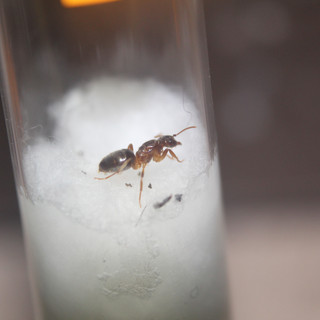
This is our Lasius latipes colony journal, following a queen I caught in September 2025. This species is a social parasite that can't start a colony on her own, so she was quickly introduced to a few dozen workers of Lasius neoniger as hosts.
We've decided to journal about this colony because there are finally biological (L. latipes) workers, and also because this is a rarely kept species due to their difficult founding process and fragility of the queens! This journal is written by Anthony Prothero, the founder of Stateside Ants.
Colony at a glance:
Species: Lasius latipes
Started: September 2025, queen caught during nuptial flight in a prairie in Wisconsin
Host: Lasius neoniger, ~60-70 host workers at introduction
Age: about 1 year since capture
Queens: 1
Workers: ~50 host workers, ~25 latipes workers
Brood: large egg pile (hundreds), 20-50 larvae, around 30+ more bio pupae eclosing soon
Setup: Small FormiFactory nest, ~77°F
Status: Growing
Latest update: Oct 31 - biological workers!
Related pages: Lasius social parasite guide
Milestones
✅ Queen caught (September 2025)
✅ Introduced to host colony (September ~10)
✅ Accepted by host workers (September ~10)
✅ First own (bio) workers (October 2026)
⬜ Own workers outnumber host workers
⬜ Last host worker gone
✅ 25 bio workers
⬜ 100 bio workers
⬜ 500 bio workers
⬜ 1000 bio workers
⬜ 5000 bio workers
⬜ Queen gets physogastric
⬜ First alates (winged queens and males)
October 31 2026 · 416 days since capture, journal created
Count: 1 queen, ~50host workers, ~25 latipes workers
The first latipes workers are here! Recently, the first fragile orange worker hatched from the 60+ pupae that were stored in the corner of their FormiFactory nest. It's been a couple weeks, and there's now about 25 biological workers, with at least another 30+ on the way soon. In addition, the latipes queen has been laying plenty of eggs, almost making a pile to match herself in size. In my experience, this means the colony will multiply this season.
Keeper's note: This species really takes patience and persistence. Introductions are often unsuccessful, and one could go for years without getting a successful colony. It's only a matter of time if you keep trying, that is what antkeeping is all about.


This is one of my favorite species personally, so I'm excited to share updates on them in the future and watch them grow!
October 20 2026
First bio worker hatched!
August 28 2026
The colony came out of their untimely diapause and is ready to grow their larvae! They're moved from a test tube into a FormiFactory nest, as this nest has done super well for Lasius social parasites thus far. The workers soon began feeding the larvae, and they began pupating. The colony is fed a diet of fruit flies and Sunburst Ant Nectar.
April 25 2026 - Diapause again
After letting eggs grow into larvae, the colony appeared ready for diapause and refused to grow any further. We diapaused them for multiple months soon after.
January 28 2026 - Eggs
The queen is seen laying lots of eggs!
January 1 2026
The Lasius latipes queen with her hosts, after about 13 weeks of diapause, is re-warmed.
October 2025 - Diapause
The queen with her hosts is placed into diapause at around 38F.
September 10 2025 - Caught and Introduced
The Lasius latipes queen is caught and promptly introduced to a few dozen hosts.


Comments