

Why Would Someone Steal an Ant Colony? An Antkeeper Explains
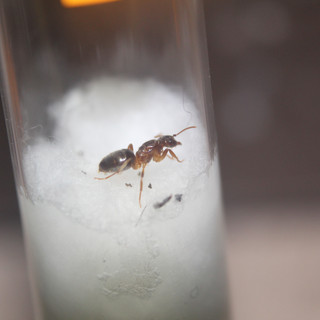
Earlier this fall, someone took a spade to a nature reserve in Devon, England, and dug up a nest of ants. Not just any ants. It was a colony of the Narrow-headed Ant, Formica exsecta, taken from the very last place in England where the species still survives.
Since the news broke, the most common reaction I've seen is some version of: "Why on earth would anyone steal ants?"
I'm Anthony Prothero, founder of Stateside Ants. I keep ants, I sell ants, and I study them in the field. So I think I can help answer that question, even though I wish I didn't have to.

What happened?
According to the Devon Wildlife Trust, researchers doing a routine check at Chudleigh Knighton Heath in mid-October found a hollow in the ground where a known nest used to be. The soil around it showed signs of digging with a spade.
Chudleigh Knighton Heath is a protected site, and it holds England's last population of the Narrow-headed Ant. Elsewhere in the UK, only a small number of colonies survive in Scotland. (The species is still found across much of mainland Europe, but in Britain it has declined over the past century as heathland was lost.) A recent survey counted 142 active nests on the reserve. A single nest can hold 1,000 to 5,000 ants and one or more queens, and a queen can live for up to 25 years.
The theft has been reported to the police, and nobody knows yet who did it or why.
Wait, people keep ants?
Yes, and a lot of them! Antkeeping is a hobby like keeping fish or reptiles. Instead of a fish tank, keepers house a colony in a small nest made of plastic, glass or plaster, with a separate area (an "outworld") where the ants come out to eat. You feed them insects and sugar water, keep them at the right temperature, and watch them grow. Having a view into the inner workings of an ant colony is appealing to many.
Most keepers start with a single queen ant. After a mating flight, a queen sheds her wings, digs in, and raises her first workers on her own. Watching that one queen turn into a colony of hundreds or thousands is the whole appeal. There are online forums, Discord servers, YouTube channels, and shops like ours all built around it.
So when someone hears "ant colony stolen," they picture a few bugs in a jar. Antkeepers picture something very different: a living colony with queens, thousands of workers and years of growth, which some people would very much like to own.
So why would someone take it?
Nobody knows yet, and I want to be clear that what follows is my informed guess, not a fact. But from inside the hobby, these are the most likely reasons, from most to least likely.
1. A collector who wanted something rare. Every hobby with collectors has a few people who want the rarest thing out there, and rarity itself becomes the attraction. The UK has seen this kind of thing before: rare orchids dug up from the wild, and swallowtail butterfly caterpillars taken from a Norfolk nature reserve. A species that's down to its last English site is exactly the kind of thing a certain type of collector would want, because almost nobody else could have it.
2. Someone hoping to sell it. Rare species sell for more in the hobby. A whole established colony, with queens and thousands of workers, might look like a shortcut compared to waiting years for a single queen to grow one. Someone may have seen dollar signs (or pound signs) in that nest.
3. Someone who didn't understand what they were taking. It's possible, though less likely, that the person didn't know the species was protected, or didn't care. The digging was deliberate, though, so this wasn't an accident.
Why it was a terrible idea, even for the person who took it
Here's the part that frustrates me most. Even if you only care about keeping ants, digging up this nest makes no sense.
This species can't easily start over in the wild. A Narrow-headed Ant queen can't found a colony on her own like the ants most keepers start with. European research shows a new queen has to get into the nest of a different Formica species, possibly one that has lost its own queen, and take it over. Established colonies can also adopt new queens and spread by splitting into new nests nearby. That slow way of spreading is likely part of why the species is so hard to bring back once it's gone, and even hobby species guides call it an expert-only ant. Combine that with the shrinking habitat and genetic bottleneck, and removing established, healthy queens that would've been producing more queens each year can hurt the small population long-term.
A colony usually doesn't survive being dug up. In my experience, wild-caught ant colonies are much less likely to survive in captivity compared with a colony begun from a queen after nuptial flights. To make it worse, members of the genus Formica have, in my experience, done even worse on average than other wild-caught ants. Though I completely understand wanting a rare species, it's unlikely these kinds of collections last, and so it's both detrimental to the population and does very little for whoever dug it up. It's a lose-lose all around.
It's a crime. The reserve is a protected site, and police have said that damaging or disturbing it is a criminal offense. Anyone caught trying to sell this colony would be advertising their own crime.
There are better ways to get queen ants. If it was an antkeeper who took the colony, they should know better than anyone that digging up a mature colony is the most harmful way to get ants. In the hobby, most of us start with a newly mated queen of a common species, collected after a mating flight. Most of those queens never survive to start a colony, so collecting a few has very little impact. An established colony is the opposite. It has survived for years and produces new queens every season, so taking one removes all of that future at once. For a species down to its last site in England, though, the answer is simple: leave them alone. Conservation groups in Devon have already studied these ants in captivity, mating queens and releasing them to help the population grow. That’s the right way for this species to be in captivity, not in a box in someone’s shed.
So the most likely outcome, in my opinion, is that a piece of England's last population of this species dies in someone's container, and the wild population loses a colony that took years to grow. This isn't the end of the world for the population, but it's a hit that they really could have done without. I'll explain that more below.
Does one nest matter if there are 142?
Yes. When a species is down to one site in an entire country, every colony counts. Each one represents years of growth and part of a small gene pool. Julia Balfour of the Devon Wildlife Trust put it simply: "losing even one colony sets back years of careful work."
In North America, we have some similar situations. The species Formica prociliata, for example, lives a similar lifestyle to the stolen ants, F. exsecta, and is mostly restricted, as far as we know today, to sites in Michigan, Wisconsin, and possibly Iowa with quality open, dry prairie. In my own surveys, some sites of this species are down to a single recorded colony, which is assumed to have a handful of queens. If someone dug up colonies there, that would be catastrophic for the genetic diversity and survival of the species.
To make it worse, populations fluctuate naturally. When an ant population is already small to begin with, any bad year (or series of bad years) where the weather doesn't line up for the ants and their population declines could push them to local extinction. The closer the population number is to 0, the more likely that becomes.
What responsible antkeeping looks like
I don't want anyone to read this and think antkeepers are the bad guys. Most keepers I know love ants and deeply care about wild populations. The hobby only works if wild ants stay healthy, and many keepers are especially worried about keeping the rare ants around for later generations.
Here's where the line is:
Collect newly mated queens, not colonies. After a mating flight, thousands of queens land at once, and most of them never survive to start a colony. Picking up a few of a common species, where it's legal, has a tiny impact. Digging up an established colony is a completely different thing when it's a rare species.
Never take protected species, or anything from a reserve. Ever.
Buy from responsible, legal sellers. In the US, every species we ship across state lines is covered by a USDA permit. Stateside Ants gets queens from American antkeepers who are typically just collecting the common ants they find walking on the street at the perfect time.
Speak up. If you see someone offering a species that shouldn't be for sale, especially Narrow-headed Ant colonies right now, report it!
Can you help?
If you have any information about the theft, contact Devon & Cornwall Police on 101 or through their online form, quoting crime reference 50260284768.
And if you're new to antkeeping and this story is how you found out the hobby exists, welcome! I promise most of us are just here to watch some ants grow. Check here to see the best ants we recommend for beginners.


Can’t believe someone would steal those ants especially if they knew they likely wouldn’t survive
This is a fascinating and extremely helpful insight. Many thanks from Devon (close to the scene of the crime)