

Ant Farm Gifts for Kids: A Parent's Guide
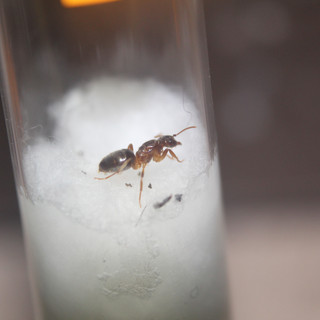
Every year around this time, we hear from parents with the same question: my kid wants an ant farm for Christmas, so what should I get?
The answer depends on what your kid is hoping for. A classic ant farm gives you a few weeks of fun with a tube of worker ants, but then the worker ants die quickly. A real ant colony starts with a queen, grows for years (to a size you decide), and can turn into a hobby your kid keeps for a long time.
I'm Anthony Prothero, founder of Stateside Ants. I've been keeping ants for over a decade, since I was just a kid. I got into ants because I was fascinated by the Labor Day Ant hills in my backyard. This guide covers what to buy, which ants are best for kids, what it costs, and how to get it under the tree alive and well.
Ant farm or real ant colony?
Most classic ant farms come with a mail-in card or a tube of worker ants, and no queen. Uncle Milton, the best-known ant farm brand, says its ants should live "one to three months" and that a queen isn't included. Insect Lore's tube of 25 harvester ants also comes without a queen.
Without a queen, nobody lays eggs. The workers go about their jobs for a while, and then the farm slowly empties out. From what I've seen, this can be pretty disappointing for some kids, who expected to see and learn about the inner workings of an ant colony.
A real colony starts with a queen. She lays the eggs, the workers raise them, and the colony grows. A pavement ant colony kept warm can pass 1,000 workers in its first year, if you keep feeding it more. Queens of many species live for years, so your kid can watch the same colony grow up with them. And the best part is that the colony size is up to you: feed more, the colony grows. Feed the same amount, the colony stays that same size.
Classic ant farm | Real ant colony | |
Queen | No | Yes |
How long it lasts | About 1 to 3 months | Years, if cared for |
Does it grow? | No, it shrinks | Yes |
Care | Very little | A few minutes, a few times a week |
Best for | A short project | A kid who wants a pet to keep |
We ship queens and colonies under a USDA permit, to the states where each species is allowed.
Is my kid ready for an ant colony?
Most kids who love bugs do great with ants, as long as an adult helps at the start. A few things to think about:
Age. I recommend kids under 13 have some help from the parents, at least checking in. Finding info for them might be important!
Patience. The first few weeks are quiet, unless you get an established colony. It can also take a few days for the ants to get settled in and work like they should after arrival.
Time. Feeding, checking the water and removing old food takes a few minutes, a few times a week. I usually recommend feeding at least 2-3 times a week if you want a colony to grow (depending on size, species, and setup).
The adult's part. Setting up the heat, checking temperatures now and then, and stepping in for any species that might sting. Ants aren't pets to hold. They're pets to watch.
An ant colony is a great fit for a kid who likes to watch things, ask questions and keep notes. Often, antkeepers keep journals, since each colony can present novel findings and any kid could be the discoverer of a new process!
The best ants for kids
For a first colony, I recommend one of two species. Both grow fast, are easy to feed and don't need to hibernate.
Species | Price | Why kids like it | Good to know |
From $28.99 | One of the fastest-growing ants in the US. They eat almost anything, from small insects to sugar water. | Their sting rarely gets through skin and usually just itches for a few minutes. They grow best at about 80°F on the warm side of the nest. | |
From $44.98 | Big ants that eat seeds, so feeding is simple. They're poor climbers, so escapes are rare. | They can sting, and it hurts. Fine for watching, not for handling. They need more heat, about 85 to 95°F. Best with a heat cable or heat mat (easy to find at pet stores or online). |
My pick for most kids is: pavement ants. They're the cheapest, the fastest to grow and the most forgiving. Harvester ants are a great choice for an older kid who likes bigger ants.
Carpenter Ants are a great option for a kid with patience. They're big, entertaining, and often have fun patterning. However, they grow slowly, so they're best for a kid who's in this for the long run. (Note: no, the ants won't eat your house).
Not every species can ship to every state. Each product page has a shipping range map, so check your state before you order. Full care details are on our pavement ant care sheet and harvester ant care sheet.
What to buy, by budget
You don't need a big nest on day one. A new colony lives in its test tube or a tiny nest until it has about 50 to 100 workers, which takes a few months with heat usually. It's actually best to keep them in smaller spaces than larger ones. So the colony and a heat source are enough to start.
Budget | What to get | Total |
About $30 to $45 | A pavement ant or harvester ant colony. It arrives in its own test tube. | $28.99 to $44.98 |
About $70 to $80 | A colony, plus the heating cable ($19.99) and food: Sunburst Ant Nectar ($19.99) for pavement ants, or Harvester Ant Seed Mix ($14.99) for harvesters | About $69 to $80 |
About $100 to $110 | The same, plus The Starter Cube nest ($29.99) for when the colony outgrows its tube. | About $99 to $110 |
About $180 to $195 | The Ant Colony Starter Kit ($148.99) plus a colony. The kit has the Starter Cube, an outworld, a heat cable, ant nectar, a feeder, Fluon to stop escapes, forceps, spare test tubes and tubing. | About $178 to $194 |
Ordering between October and March? Add a heat pack in the shipping options at checkout.
Not sure which species your kid wants? A gift card lets them pick.
Black Friday usually sees a discount, so these prices can be even lower.
Getting it under the tree
Order by December 17 for delivery before Christmas. If you order after, there's a chance the ants arrive in time, but not certain.
Add a heat pack. From October through March, our live arrival guarantee covers orders shipped with a heat pack. If the weather looks dangerous, we may hold your order until it passes. You can also email us to ask for a hold. We'll make sure you get healthy ants in good shape.
Open the box when it arrives. Check on the ants right away. If anything looks wrong, send us photos within 8 hours of delivery and we'll make it right.
Keeping it a surprise. Only lightly wrap the ants and leave them under the tree for days. Keep the test tube in a quiet, dark spot at room temperature, away from heaters and windows. If it's less than a week until the ants are unwrapped, they don't need anything from you (our ants are all fed right before shipping). It can be a good idea to give the ants a tiny bit of food before wrapping them up. Ants are surprisingly resilient, but it's a good idea to make sure they're fed and kept cool if you're waiting longer than a week or two.
Unwrapping. Let your kid know that they have to be very careful with what's in that box.
Already have an ant farm under the tree? If your kid gets a classic ant farm this year and wants ants that last, a real colony is the next step. Make sure it's an ant farm suitable to real ant colonies.
The first few weeks
Here's what a pavement ant colony that arrives with 10 to 30 workers usually looks like, kept warm:
The first few days: the ants settle in after the trip. They may cluster around the queen and not do much. This is normal. Offer a small meal after a day or two, and make sure they're kept warm after being unwrapped. Keep them cooler before that, so they don't metabolize food as fast.
Weeks 0 to 3: workers start exploring and carrying food back to the queen and brood. You'll see eggs, larvae and often pupae.
Weeks 1 to 6: new workers start hatching. Brood that arrived with the colony hatches first, and eggs laid after arrival take about 4 to 6 weeks to become workers.
Months 2 and 3: each batch of workers is bigger than the last, and the colony speeds up. Once it reaches about 50 to 100 workers, it's time to think about a nest (if they aren't already in a small starter nest).
Common mistakes to avoid
No heat. At room temperature, most colonies barely grow. Pavement ants do best with the warm side of the nest around 80°F. Harvesters like it hotter, and will often stagnate if they're kept too cold. They're used to the desert or plains.
Heating the wrong end of the tube. Put the heat on the front of the test tube, away from the water, under where the cotton would be. Heat on the water end can flood the tube.
Letting the tube dry out. If the water is low, it's time for a fresh tube or nest. Usually, the water in a test tube lasts very long and isn't a huge concern.
Leaving old food in. Take out uneaten food after 16 to 24 hours to prevent mold and mites.
Moving to a big nest too early. Usually, wait until the colony has about 50 to 100 workers. A nest that's too big is harder for a small colony to keep clean and humid, and can collapse the colony. Ants like small spaces.
Opening the tube to hold the queen. It's tempting, but she's the whole colony. Look, don't touch.
Questions parents ask
Will the ants get out? Not if the setup is right. A coat of Fluon on the outworld walls keeps ants from climbing out, and a young colony stays in its test tube anyway. Harvester ants are poor climbers, so escapes are rare. Escapes can happen, but are 100% preventable, especially with modern ant setups.
Do they sting or bite? Pavement ants can sting, but it rarely gets through skin and usually just itches for a few minutes. Harvester ants sting harder, so they're for watching only. Either way, nobody needs to touch the ants to enjoy them, and there are options for ants that can't sting at all, such as Carpenter Ants or Big-Headed Ants.
Does it smell? Not if you keep it clean, and even if you don't, the smell is usually only if you put your face in the ant setup.
How long will the colony live? With good care, years. A worker lives 6-24 months, but the queen keeps laying eggs, so the colony carries on. I've kept some colonies for more than 6 years, and some queens have been documented to live more than 30 years.
What happens if the queen dies? The colony can't make new workers, so it slowly shrinks. If your queen dies prematurely soon after getting a colony from us, reach out for help!
Can we catch our own queen? Yes! In summer, after rain, many ants hold mating flights, and newly mated queens land everywhere. It's a great family project.
Can I put these ants in my kid's gel or sand ant farm? No, I strongly recommend against it. I've never seen them be successful and despite what you might have heard, it's not long-term sustainable for queenright ant colonies. More often than not, I simply see the entire colony die within days or weeks in these setups.
Is this legal? Yes. We ship under a USDA permit, and only to states where each species is allowed. Moving ants across state lines without a permit isn't legal, so buy from a permitted seller.
The short version
If your kid has been asking for an ant farm, a real colony is the version that lasts. Start with a pavement ant or harvester ant colony (or another good beginner option), keep it warm, and give it a few weeks. Then watch it grow.
For questions, reach out to us at info@statesideants.com!
Sources:
Uncle Milton, Ants FAQ: no queen included, ants live one to three months.
Insect Lore, Tube of 25 Live Harvester Ants: no queen included.
Stateside Ants, Store Policies: heat pack requirement October to March, weather holds, 8-hour reporting window.
Stateside Ants, Ant Colony Starter Kit: kit contents, ants sold separately.


Comments